Promoting the Bicycle for Everyday Transportation
mediaactionsrides_eventsresourcesaboutmembershipvolunteerdonatestoresearch

Prioritized Enforcement and Right of Way Thieves

The SF Bicycle Plan (2009) and the San Francisco Bicycle Coalition both share an enforcement priority: that San Francisco should focus enforcement efforts on locations and behaviors known to be most dangerous and endanger the most vulnerable users, including when the violator is a person riding a bicycle. We believe the SFPD should focus on true "failure to yield" cases committed by people driving and bicycling. In a June 2008 letter to San Francisco Police Department Chief Fong, we referred to these violations as "right-of-way theft":

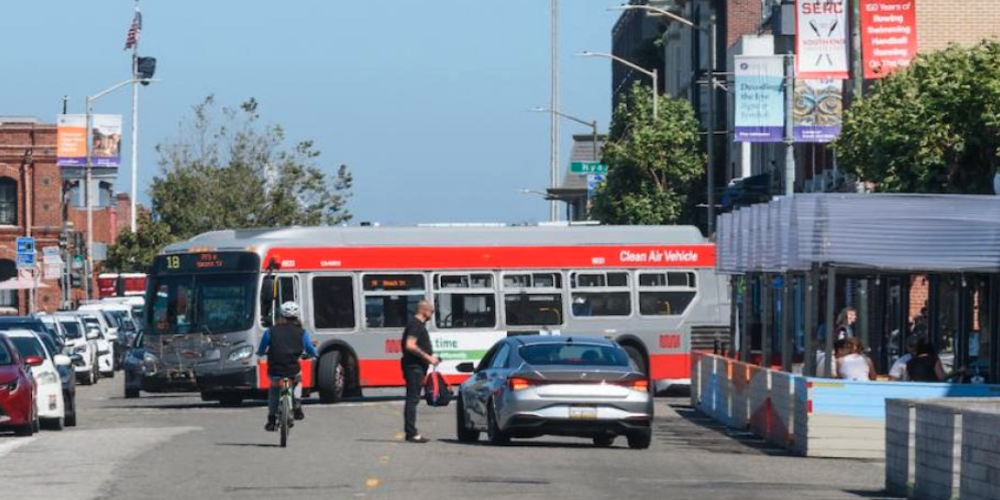
Not only do many pedestrian and bicyclist injuries and fatalities result from failure to yield right-of-way, but rampant uncited "right-of-way theft" by all road users (including people on bicycles) nurtures a perception of anarchy and permissiveness, that "anything goes" on the streets, which in turn gives license to further misbehavior, ranging from simply discourteous to gravely dangerous. People driving must take their turn and give way to people walking and bicycling at intersections before turning. Likewise, people bicycling must take their turn and yield the right-of-way to all users as appropriate, stopping for people walking, bicycling and driving.
  • Step 1: Re-establish the concepts of "right of way" and "yield": In San Francisco, at least, these essential concepts are largely lost, from decades of overly tolerant enforcement and overly selfish roadway users. We all grew up understanding "take your turn."
  • Step 2: Establish enforcement priorities for street safety: After obvious top-tier offenses like excessive speed and DUI, "failure to yield" and "unsafe merge" enforcement should be a high enforcement priority, especially at intersections, for the safety of pedestrians, bicyclists and even motorists. At the same time, "failure to stop" should take decreased priority as an enforcement subject for bicyclists.
  • Step 3: Education/fair warning: Public safety and public health and transportation agencies collaborate with advocates to conduct a public information/outreach campaign, letting everyone know that stealing someone else's right of way is not just rude, not just dangerous, but it could cost you some money. "Take your turn, or get a ticket."
  • Step 4: Start citing "right-of-way thieves": Get out and write some tickets for roadway users who fail to yield, but only if obvious right-of-way theft has occurred. Be consistent and persistent—not just a one-day sting, but an ongoing campaign.

The result: Safer, more sociable streets.


Prioritized Enforcement Policy and Actions in the Bike Plan

See the 2009 SF Bicycle Plan, but see Chapter 5 (Enforcement) to learn what we have committed to as a city. Now it's time to act on making the plan real.