Promoting the Bicycle for Everyday Transportation
SFBC
mainactionsrides_eventsresourcesaboutmembershipvolunteerdonatestoresearch
Smooth Riding on Fell Street

Green Bike Lanes!

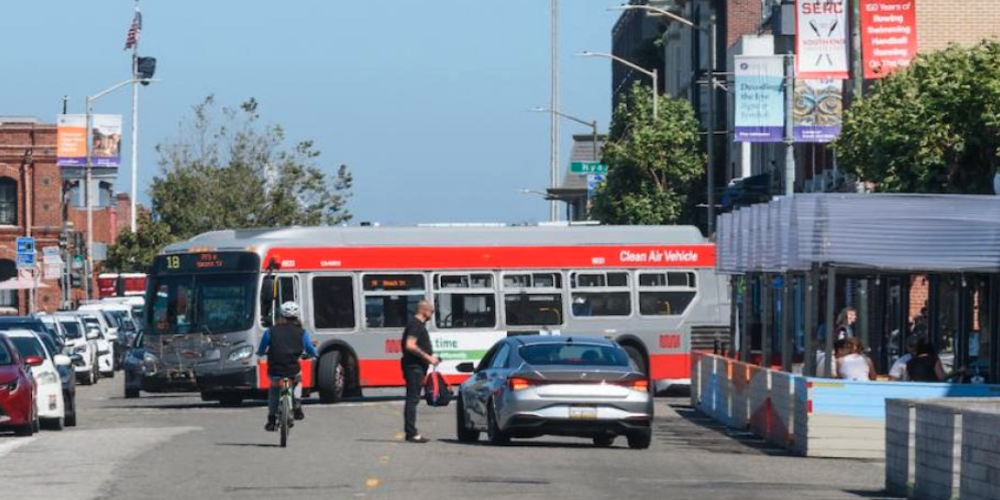
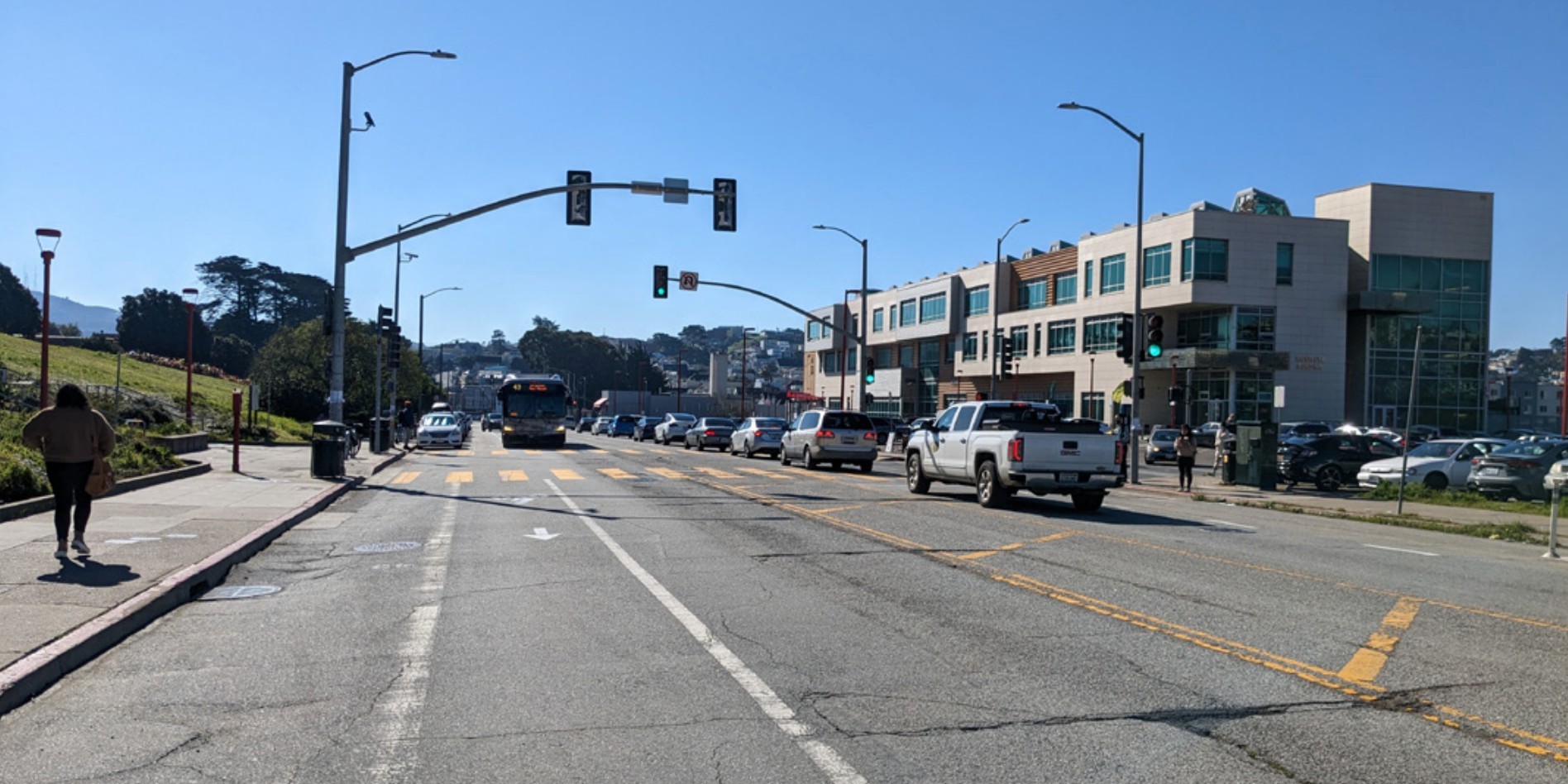
The Fell Street bike lane is an important connection between The Wiggle bike route and the Panhandle Mixed Use Path. This left-side bike lane was painted in early 2005 and has been a conflict point ever since the rise in gas prices. Motorists, desperate for cheap gas have used the sidewalk and bike lane as a queuing spot, blocking people on the sidewalk and forcing bike riders into fast moving traffic on Fell Street.

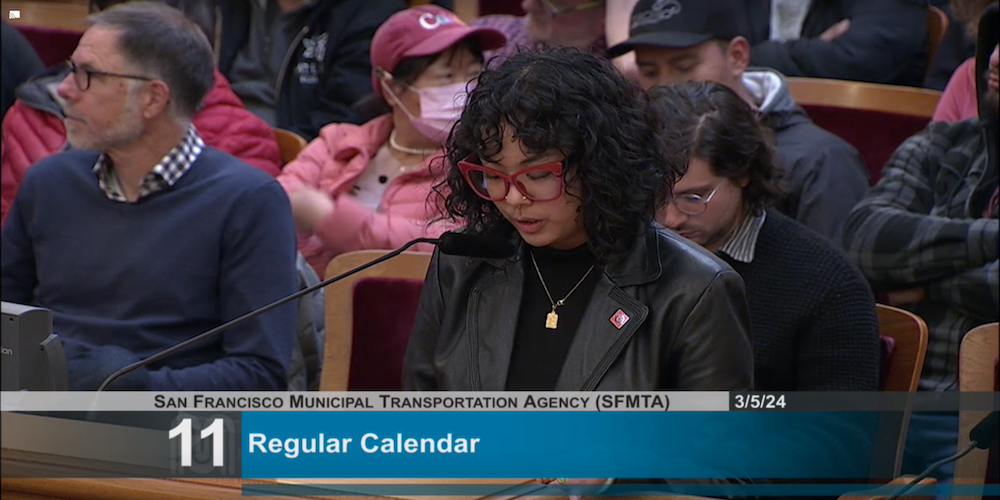
In early 2010, 20 neighbors came to support changes to the corridor at the first MTA hearing. After some initial opposition from other neighbors due to the removal of 4 parking spots, a compromise was reached allowing the 4 spots to be used after 7:00 PM.

On June 23, 2010 it was restriped with a shift in the bike lane and additional signage instructing motorists to use the curb to queue and not block the sidewalk or bike lane. After the MTA did initial field observations, looking at the behavior of all road users, they painted the bike lane green in August.

After the rounding success of Market Street green bike lanes, the city is testing new uses of the green paint, including alerting all road users that there is a conflict point while boldly drawing attention to the bike space. This installation is part of a permitted experiment (PDF) from the federal government to test the uses of green paint. Data will be collected over the coming months to verify that green paint improves safety and will be used to further more projects like this across the nation.

While the Arco Station has been a point of conflict for people on bikes for years, we believe the green paint is a good step in improving this corridor to allow for people of all skill levels to feel comfortable riding a bike. And we know that the data collected from this experiment will surely help cities all over the United States be able to implement these projects even more quickly in the future, thanks to San Francisco's leadership.


History of Fell Street Bike Lanes

The trial bike lanes on Fell Street have proven a great success! Legislation to make them permanent was approved by the Board of Supervisors in early 2005. More good news: the Supervisors also approved the proposal to remove the rush-hour lane all the way back to Octavia. Great for bikes. Great for walkers. Great for the neighborhood!

This little three-block section of Fell Street has been the focus of ongoing debate and organizing for over a decade. Many thanks to the literally hundreds of volunteers who over the years have written letters, flyered, attended rallies, (and in the last year faxed, called and testified); to the DPT bike program for its convincing study of this long-controversial project and the last-minute compromise to widen the bike lane, and to Jake.Mcgoldrick@sfgov.org, sophie.maxwell@sfgov.org, and tom.ammiano@sfgov.org for approving the legislation at the Land Use Committee. (Their names are handily formatted in case you wanted to send a thank you email.)

Fell is a Key Route on Bike Network

The three blocks of Fell Street from Scott to Baker are a crucial link connecting bicyclists from the Wiggle to the entrance of the Panhandle. It is the most popular street among bicyclists, as it is the flattest, most direct route, and potential alternate routes (Page or Hayes) involve steep hills.

Unsafe Conditions

Before the bike lanes were striped it was a short, but dangerous stretch for bicyclists, especially during the rush hour tow-away from 4-6pm. Bicyclists who used Fell were forced to use the travel lane, often leading to disputes with drivers and safety issues arising from speed differential. Despite these unpleasant and unsafe conditions, bicyclists continued to use Fell, often riding on the sidewalk. This creates a hazard for pedestrians and seniors in the area. A study of the new bike lanes showed that once the bike lanes were striped, bicyclists got off the sidewalk and into the street.

Minimal Traffic Impact

In July 2002, DPT conducted a study along this stretch of Fell Street to examine the potential impact of bike lanes. During the DPT trial removal of the tow away zone, there was no increase in travel time for drivers along Fell. Additionally, traffic volumes decreased significantly due to the Central Freeway demolition and reconstruction.

Reports and Background

If you have any questions about the particulars of this project please contact Andy Thornley at 431-BIKE x307 and take a look at the MTA's fact-packed Fell St report at www.sfmta.com/bikes.

Other Resources

  • DPT'S Testing Method for Fell St (PDF File)
  • DPT'S Proposal for Bike Lanes on Fell St (PDF File)

top